Buy schachclub.eu ?
We are moving the project
schachclub.eu .
Are you interested in purchasing the domain
schachclub.eu ?
domain@kv-gmbh.de · 0541-91531010
Buy schachclub.eu ?
What are self-luminous bodies?
Self-luminous bodies are objects that emit their own light, as opposed to reflecting light from another source. Examples of self-luminous bodies include stars, the sun, and certain types of light bulbs. These objects generate their own energy through processes like nuclear fusion or electrical current, which produces light as a byproduct. **
Is the luminous clock radioactive?
No, the luminous clock is not radioactive. The luminescence in the clock is typically achieved using a phosphorescent material that absorbs light and then slowly releases it over time. This process does not involve any radioactive materials. The glow from the clock is simply a result of this light-absorption and emission process. **

Similar search terms for EufyMake-Luminous-Vinyl
Top-Angebote
Products related to EufyMake-Luminous-Vinyl:
-
eufyMake Ultra-Clear UV VinylContains 1 roll of ultra-clear UV vinyl film. Each roll can print up to 130 stickers (7 × 9 cm). Widely used on glass surfaces for privacy, blocking the outside view while enhancing visual aesthetics and customization. Easy to clean, ideal for car windows, interiors, and advertising glass. 305mm*10 m roll, compact for storage, ideal for bulk and large-format production.Maintains stable shape and color in storage.52,99 £*Shipping: 0,00 £Secure redirect to the provider
-
eufyMake CanvasContains 1 canvas roll. Each roll can print up to 10 lengths of 1 m canvas artwork. 4-layer oil primed, crack-resistant, vivid natural colors. 305mm*10 m roll, compact for storage, ideal for bulk and large-format production. Maintains stable shape and color in storage.34,99 £*Shipping: 0,00 £Secure redirect to the provider
-
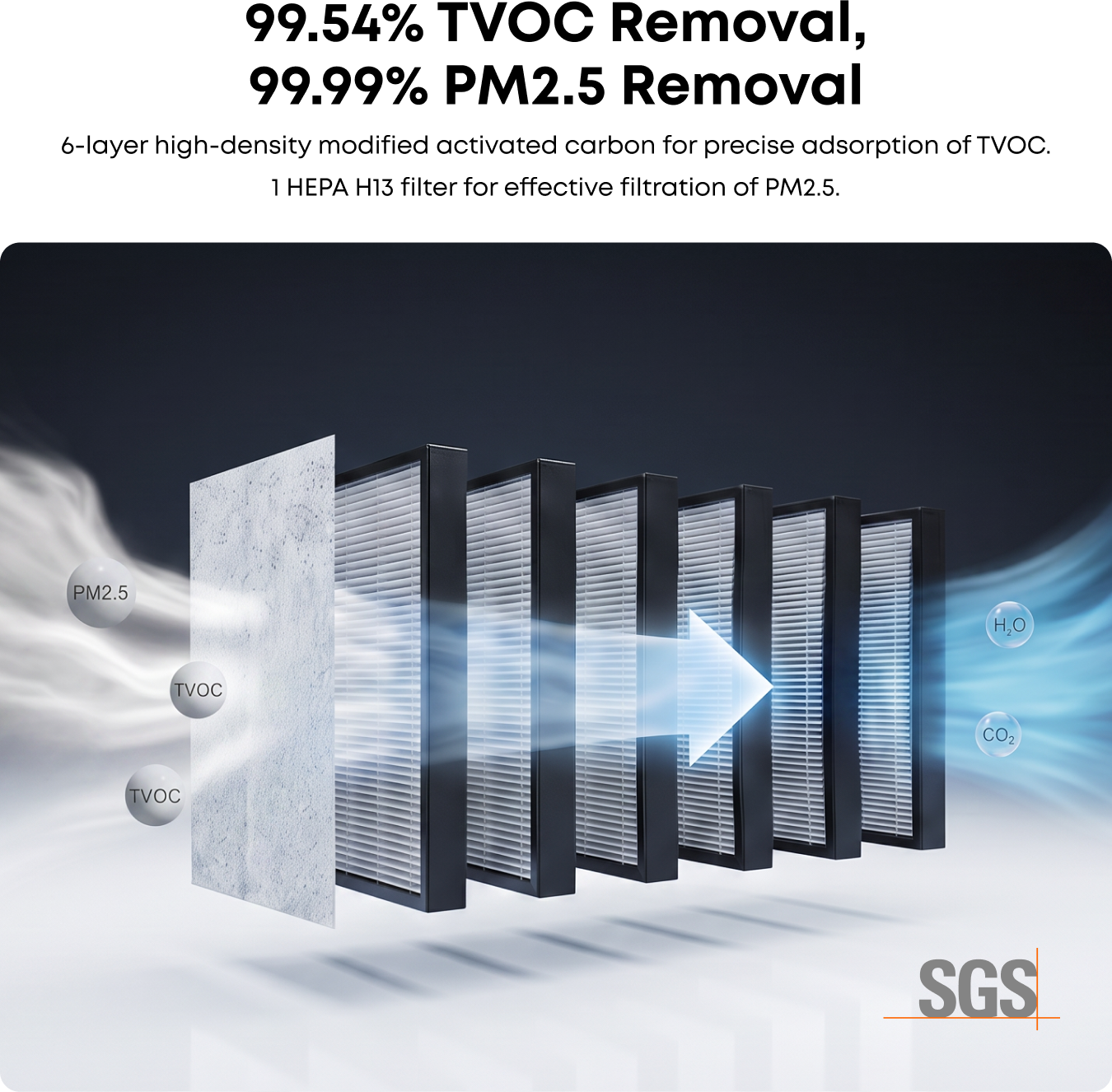
eufyMake Purifier P1 eufyMake Purifier P1 (with Exhaust Dust)SGS Certified Lab-Grade Purification. 99.54% TVOC Removal. 99.99% PM2.5 Removal. Runs as low as 45 dB in Silent Mode, about as quiet as gentle rainfall. Real-Time Filter Monitoring with Replacement Reminders. Remote Control, Auto Purification. Auto-Adjusts Speed Based on Print Type. Uses a built-in 2.4 kg high-density modified activated carbon filter that's long-lasting and durable. One filter lasts up to 9 month.* For semi‑enclosed spaces with windows or external ventilation, try Exhaust Fan Kit. *Based on real user data, assuming 2 hours of use per day, with time split across modes as 25% Strong Mode, 35% Standard Mode, and 40% Silent Mode. Filter lifespan by mode: Strong Mode (300 hrs), Standard Mode (540 hrs), Silent Mode (1,700 hrs). Actual lifespan may vary based on different printing time, modes, and use habits.589,99 £*Shipping: 0,00 £Secure redirect to the provider



-
What is a luminous point?
A luminous point is a theoretical concept used in physics and optics to represent a source of light that emits light in all directions. It is often used as a simplification in the study of light and its behavior, allowing for easier calculations and analysis. In reality, a luminous point does not exist as a physical object, but it is a useful tool for understanding the behavior of light in various systems. **
-
Why is the luminous intensity and not the luminous flux specified for reflector lamps?
The luminous intensity is specified for reflector lamps because it measures the amount of light emitted in a specific direction, which is important for directional lighting applications such as spotlights and floodlights. Reflectors are designed to control and direct light in a specific direction, so specifying luminous intensity helps to ensure that the lamp is suitable for its intended purpose. Luminous flux, on the other hand, measures the total amount of visible light emitted by a source in all directions, which may not be as relevant for reflector lamps where the focus is on directing light in a specific direction. **
-
What is the difference between a self-luminous and an externally luminous object in physics?
In physics, a self-luminous object is one that produces its own light, such as the sun or a light bulb. These objects emit light due to internal processes, such as nuclear fusion or electrical excitation. On the other hand, an externally luminous object is one that reflects light from another source, such as the moon or a mirror. These objects do not produce their own light but appear illuminated due to the light they reflect from another source. **
-
What are self-luminous celestial bodies?
Self-luminous celestial bodies are objects in space that emit their own light and heat. This includes stars, which generate energy through nuclear fusion in their cores, as well as other luminous objects such as brown dwarfs and hot gas giants. These bodies are able to shine and be visible from Earth due to the light they produce, unlike non-luminous celestial bodies such as planets and moons, which reflect light from the Sun. **

How do you calculate luminous flux?
Luminous flux is calculated by multiplying the illuminance (in lux) by the area over which the light is distributed. The formula for calculating luminous flux is: Luminous flux (in lumens) = illuminance (in lux) × area (in square meters) This formula takes into account the intensity of the light (illuminance) and the size of the area over which the light is spread to determine the total luminous flux emitted by the light source. **
What are Genshin Impact Luminous Crystals?
Genshin Impact Luminous Crystals are a type of valuable resource that can be found in the game world of Teyvat. They are used for crafting and upgrading weapons, as well as for character ascension. Luminous Crystals come in different elemental varieties, such as Anemo, Geo, Electro, and so on, and players can collect them by mining or defeating certain enemies. These crystals are essential for progressing and strengthening characters and equipment in Genshin Impact. **
Top-Angebote
Products related to EufyMake-Luminous-Vinyl:
-
eufyMake Luminous VinylContains 1 roll of luminous vinyl film. Each roll can print up to 178 stickers (3 × 5 cm). The glow-in-the-dark effect glows for 4 hrs after light exposure. Safe for indoor/outdoor use, no power needed. 305mm*10 m roll, compact for storage, ideal for bulk and large-format production. Maintains stable shape and color in storage.86,99 £*Shipping: 0,00 £Secure redirect to the provider
-
eufyMake Polymeric VinylContains 1 roll of polymetric vinyl film. Each roll can print up to 130 stickers (7 × 9 cm), or 12 stickers (28 × 76 cm). High-elastic polymer—no cracking or fading for 3 years or more. No adhesive residue makes it easy to remove and leaves surfaces clean. Suitable for glass, signage, storefronts, doors, and more. 305mm*10 m roll, compact for storage, ideal for bulk and large-format production. Maintains stable shape and color in storage.60,99 £*Shipping: 0,00 £Secure redirect to the provider
-
eufyMake Ultra-Clear UV VinylContains 1 roll of ultra-clear UV vinyl film. Each roll can print up to 130 stickers (7 × 9 cm). Widely used on glass surfaces for privacy, blocking the outside view while enhancing visual aesthetics and customization. Easy to clean, ideal for car windows, interiors, and advertising glass. 305mm*10 m roll, compact for storage, ideal for bulk and large-format production.Maintains stable shape and color in storage.52,99 £*Shipping: 0,00 £Secure redirect to the provider
-
eufyMake CanvasContains 1 canvas roll. Each roll can print up to 10 lengths of 1 m canvas artwork. 4-layer oil primed, crack-resistant, vivid natural colors. 305mm*10 m roll, compact for storage, ideal for bulk and large-format production. Maintains stable shape and color in storage.34,99 £*Shipping: 0,00 £Secure redirect to the provider
-
What are self-luminous bodies?
Self-luminous bodies are objects that emit their own light, as opposed to reflecting light from another source. Examples of self-luminous bodies include stars, the sun, and certain types of light bulbs. These objects generate their own energy through processes like nuclear fusion or electrical current, which produces light as a byproduct. **
-
Is the luminous clock radioactive?
No, the luminous clock is not radioactive. The luminescence in the clock is typically achieved using a phosphorescent material that absorbs light and then slowly releases it over time. This process does not involve any radioactive materials. The glow from the clock is simply a result of this light-absorption and emission process. **
-
What is a luminous point?
A luminous point is a theoretical concept used in physics and optics to represent a source of light that emits light in all directions. It is often used as a simplification in the study of light and its behavior, allowing for easier calculations and analysis. In reality, a luminous point does not exist as a physical object, but it is a useful tool for understanding the behavior of light in various systems. **
-
Why is the luminous intensity and not the luminous flux specified for reflector lamps?
The luminous intensity is specified for reflector lamps because it measures the amount of light emitted in a specific direction, which is important for directional lighting applications such as spotlights and floodlights. Reflectors are designed to control and direct light in a specific direction, so specifying luminous intensity helps to ensure that the lamp is suitable for its intended purpose. Luminous flux, on the other hand, measures the total amount of visible light emitted by a source in all directions, which may not be as relevant for reflector lamps where the focus is on directing light in a specific direction. **
Similar search terms for EufyMake-Luminous-Vinyl
-
eufyMake Purifier P1 eufyMake Purifier P1 (with Exhaust Dust)SGS Certified Lab-Grade Purification. 99.54% TVOC Removal. 99.99% PM2.5 Removal. Runs as low as 45 dB in Silent Mode, about as quiet as gentle rainfall. Real-Time Filter Monitoring with Replacement Reminders. Remote Control, Auto Purification. Auto-Adjusts Speed Based on Print Type. Uses a built-in 2.4 kg high-density modified activated carbon filter that's long-lasting and durable. One filter lasts up to 9 month.* For semi‑enclosed spaces with windows or external ventilation, try Exhaust Fan Kit. *Based on real user data, assuming 2 hours of use per day, with time split across modes as 25% Strong Mode, 35% Standard Mode, and 40% Silent Mode. Filter lifespan by mode: Strong Mode (300 hrs), Standard Mode (540 hrs), Silent Mode (1,700 hrs). Actual lifespan may vary based on different printing time, modes, and use habits.589,99 £*Shipping: 0,00 £Secure redirect to the provider
-
eufyMake Deluxe Material Kit55-piece creative set (canvas ×5, wood boards ×5, metal wall art ×2, coaster ×10, light art painting kit ×1, UV DTF Film A sheets ×25, 30 m UV DTF Film B roll ×1, skinny tumbler ×6, standard tumbler ×2, travel mug ×2). Experience the joy of multi-material printing—print vibrant designs on tumblers, craft custom stickers, personalize coasters, create stunning wall art, and more. Transform ordinary objects into extraordinary works of art.429,99 £*Shipping: 0,00 £Secure redirect to the provider
-
What is the difference between a self-luminous and an externally luminous object in physics?
In physics, a self-luminous object is one that produces its own light, such as the sun or a light bulb. These objects emit light due to internal processes, such as nuclear fusion or electrical excitation. On the other hand, an externally luminous object is one that reflects light from another source, such as the moon or a mirror. These objects do not produce their own light but appear illuminated due to the light they reflect from another source. **
-
What are self-luminous celestial bodies?
Self-luminous celestial bodies are objects in space that emit their own light and heat. This includes stars, which generate energy through nuclear fusion in their cores, as well as other luminous objects such as brown dwarfs and hot gas giants. These bodies are able to shine and be visible from Earth due to the light they produce, unlike non-luminous celestial bodies such as planets and moons, which reflect light from the Sun. **
-
How do you calculate luminous flux?
Luminous flux is calculated by multiplying the illuminance (in lux) by the area over which the light is distributed. The formula for calculating luminous flux is: Luminous flux (in lumens) = illuminance (in lux) × area (in square meters) This formula takes into account the intensity of the light (illuminance) and the size of the area over which the light is spread to determine the total luminous flux emitted by the light source. **
-
What are Genshin Impact Luminous Crystals?
Genshin Impact Luminous Crystals are a type of valuable resource that can be found in the game world of Teyvat. They are used for crafting and upgrading weapons, as well as for character ascension. Luminous Crystals come in different elemental varieties, such as Anemo, Geo, Electro, and so on, and players can collect them by mining or defeating certain enemies. These crystals are essential for progressing and strengthening characters and equipment in Genshin Impact. **
* All prices are inclusive of VAT and, if applicable, plus shipping costs. The offer information is based on the details provided by the respective shop and is updated through automated processes. Real-time updates do not occur, so deviations can occur in individual cases. ** Note: Parts of this content were created by AI.