Buy schachclub.eu ?
We are moving the project
schachclub.eu .
Are you interested in purchasing the domain
schachclub.eu ?
domain@kv-gmbh.de · 0541-91531010
Buy schachclub.eu ?
What is the actual difference between catalytic specificity and substrate specificity in enzymes?
Catalytic specificity refers to the ability of an enzyme to catalyze a specific chemical reaction, while substrate specificity refers to the ability of an enzyme to bind to a specific substrate. In other words, catalytic specificity is about the type of reaction that an enzyme can catalyze, while substrate specificity is about the specific molecule that an enzyme can bind to and act upon. Enzymes can have different levels of specificity for both their catalytic activity and their substrate binding, which allows them to carry out specific functions in the cell. **
What are substrate specificity and activity specificity using the example of restriction enzymes?
Substrate specificity refers to the ability of an enzyme to recognize and bind to a specific substrate molecule. In the case of restriction enzymes, they have substrate specificity for particular DNA sequences, known as recognition sites. For example, the restriction enzyme EcoRI recognizes and binds to the DNA sequence GAATTC. Activity specificity, on the other hand, refers to the specific chemical reaction that an enzyme catalyzes. In the case of restriction enzymes, their activity specificity is to cleave the DNA at specific recognition sites. For example, EcoRI cleaves the DNA at the GAATTC sequence. In summary, substrate specificity refers to the ability of an enzyme to recognize and bind to a specific substrate molecule, while activity specificity refers to the specific chemical reaction that the enzyme catalyzes. In the case of restriction enzymes, they have substrate specificity for specific DNA sequences and activity specificity to cleave the DNA at those sequences. **


Similar search terms for Specificity
Top-Angebote
Products related to Specificity:
-
Multicon Wholesale Hub Professional Digital Chess Clock Timer With Count Up & Count Down For Tournament And Training Games Professional Digital Chess Clock Timer With Count Up & Count Down For Tournament And Training GamesExperience smoother, more competitive gameplay with this chess clock timer designed for players who value precision and focus. Whether you're preparing for tournaments, practicing strategy, or enjoying casual matches at home, this timer helps keep...103,97 $*Shipping: 0,00 $Secure redirect to the provider
-
Multisell Products Hub Easy To Play Chess Board Game Toy, Educational Strategy Table Games Easy To Play Chess Board Game Toy, Educational Strategy Table GamesEngage Your Mind with a Classic Chess Board Game The Chess Board Game Toy is a timeless strategy game that offers endless fun for both beginners and experienced players. Designed to be easy to play, this game is perfect for improving focus,...49,97 $*Shipping: 0,00 $Secure redirect to the provider
-
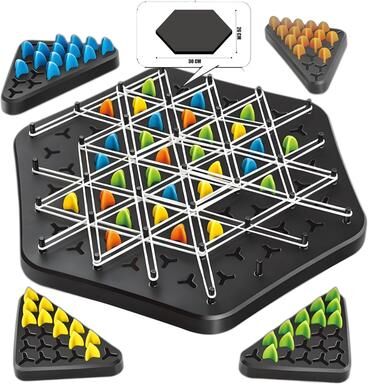
Uplift Picks Triangle Strategy Board Game Chain Chess Family Fun Logic Game 24x21 CmBring excitement to your game nights with this engaging strategy board game designed to challenge your thinking and spark fun competition. Perfect for both kids and adults, this family board game combines logic, planning, and interactive play. Its...47,98 $*Shipping: 0,00 $Secure redirect to the provider
-
Inspire Picks Magnetic Chess Board Game For Kids Strategy And Logical Thinking Fun ats30527 BSpark curiosity and sharpen young minds with a classic challenge made kidfriendly. This engaging magnetic chess board game helps children develop focus, patience, and problemsolving skills while having fun. Designed as a thoughtful educational logic...71,26 $*Shipping: 0,00 $Secure redirect to the provider


-
What is the substrate specificity of enzymes?
The substrate specificity of enzymes refers to the ability of an enzyme to recognize and bind to a specific substrate molecule. Enzymes are highly specific in their interactions with substrates, as they have active sites that are uniquely shaped to accommodate specific substrates. This specificity ensures that enzymes only catalyze specific reactions and do not interact with other molecules in the cell. Substrate specificity is crucial for the efficiency and regulation of biochemical reactions in living organisms. **
-
What is the group specificity of enzymes?
Group specificity of enzymes refers to the ability of an enzyme to act on a specific functional group within a substrate molecule. This means that the enzyme can only catalyze a reaction involving a particular functional group, such as an alcohol or an amine. Enzymes with group specificity are highly selective and only interact with substrates that contain the specific functional group that they are designed to act upon. This specificity is important for the regulation and control of biochemical pathways in living organisms. **
-
What is the biosubstrate specificity of bonds?
The biosubstrate specificity of bonds refers to the ability of enzymes to selectively bind to specific substrates and catalyze specific chemical reactions. Enzymes have specific active sites that are complementary to the shape and chemical properties of their substrates, allowing them to form temporary bonds and facilitate the conversion of substrates into products. This specificity is crucial for the regulation of biochemical pathways and the overall functioning of biological systems. It ensures that the right reactions occur at the right time and in the right place within the cell. **
-
What does the term cell type specificity mean?
Cell type specificity refers to the unique characteristics and functions of a particular type of cell within an organism. It means that certain cells are specialized to perform specific tasks or functions within the body, and they have distinct molecular and structural features that enable them to carry out these functions. This specificity allows for the coordination and regulation of various physiological processes within the organism, as different cell types can perform their specialized roles in a coordinated manner. Understanding cell type specificity is important for studying the development, function, and dysfunction of different tissues and organs in the body. **

What is the specificity of enzymes on substrates?
Enzymes are highly specific in their interactions with substrates, meaning that each enzyme typically catalyzes a specific chemical reaction with a specific substrate. This specificity is due to the unique three-dimensional shape of the enzyme's active site, which is complementary to the shape and chemical properties of its specific substrate. The enzyme-substrate interaction is often compared to a lock and key, where the enzyme (lock) can only bind to its specific substrate (key) due to their precise matching shapes and chemical properties. This specificity ensures that enzymes can efficiently catalyze specific reactions without interfering with other cellular processes. **
'Against the grandmaster in chess?'
Playing against a grandmaster in chess can be an incredibly challenging and intimidating experience. Grandmasters are among the best players in the world, with a deep understanding of the game and exceptional strategic skills. It is important to approach the game with humility and a willingness to learn, as playing against a grandmaster can provide valuable insights and opportunities for improvement. While the odds of winning may be slim, the experience of facing off against a grandmaster can be a valuable learning opportunity and a memorable experience for any chess enthusiast. **
Top-Angebote
Products related to Specificity:
-
Everyday Crate ElitePro Digital Chess Timer & Go Game Clock With 42 Tournament Timing Modes ElitePro Digital Chess Timer & Go Game Clock With 42 Tournament Timing ModesEvery move counts when the pressure is on. Designed for competitive players, clubs, coaches, and tournament organizers, this advanced digital chess clock delivers precise, reliable time control for intense matches. With 42 preset timing rules across...64,97 $*Shipping: 0,00 $Secure redirect to the provider
-
Inspired Living Classic Staunton Wooden Chess Pieces Set (32pcs) Tournament Chessmen Replacement Set aBring the timeless elegance of chess back to your table with wooden chess pieces that feel as good as they look. This complete 32piece set is designed for players who want a classic, balanced style thats easy to recognize and satisfying to play...23,97 $*Shipping: 0,00 $Secure redirect to the provider
-
Multicon Wholesale Hub Professional Digital Chess Clock Timer With Count Up & Count Down For Tournament And Training Games Professional Digital Chess Clock Timer With Count Up & Count Down For Tournament And Training GamesExperience smoother, more competitive gameplay with this chess clock timer designed for players who value precision and focus. Whether you're preparing for tournaments, practicing strategy, or enjoying casual matches at home, this timer helps keep...103,97 $*Shipping: 0,00 $Secure redirect to the provider
-
Multisell Products Hub Easy To Play Chess Board Game Toy, Educational Strategy Table Games Easy To Play Chess Board Game Toy, Educational Strategy Table GamesEngage Your Mind with a Classic Chess Board Game The Chess Board Game Toy is a timeless strategy game that offers endless fun for both beginners and experienced players. Designed to be easy to play, this game is perfect for improving focus,...49,97 $*Shipping: 0,00 $Secure redirect to the provider
-
What is the actual difference between catalytic specificity and substrate specificity in enzymes?
Catalytic specificity refers to the ability of an enzyme to catalyze a specific chemical reaction, while substrate specificity refers to the ability of an enzyme to bind to a specific substrate. In other words, catalytic specificity is about the type of reaction that an enzyme can catalyze, while substrate specificity is about the specific molecule that an enzyme can bind to and act upon. Enzymes can have different levels of specificity for both their catalytic activity and their substrate binding, which allows them to carry out specific functions in the cell. **
-
What are substrate specificity and activity specificity using the example of restriction enzymes?
Substrate specificity refers to the ability of an enzyme to recognize and bind to a specific substrate molecule. In the case of restriction enzymes, they have substrate specificity for particular DNA sequences, known as recognition sites. For example, the restriction enzyme EcoRI recognizes and binds to the DNA sequence GAATTC. Activity specificity, on the other hand, refers to the specific chemical reaction that an enzyme catalyzes. In the case of restriction enzymes, their activity specificity is to cleave the DNA at specific recognition sites. For example, EcoRI cleaves the DNA at the GAATTC sequence. In summary, substrate specificity refers to the ability of an enzyme to recognize and bind to a specific substrate molecule, while activity specificity refers to the specific chemical reaction that the enzyme catalyzes. In the case of restriction enzymes, they have substrate specificity for specific DNA sequences and activity specificity to cleave the DNA at those sequences. **
-
What is the substrate specificity of enzymes?
The substrate specificity of enzymes refers to the ability of an enzyme to recognize and bind to a specific substrate molecule. Enzymes are highly specific in their interactions with substrates, as they have active sites that are uniquely shaped to accommodate specific substrates. This specificity ensures that enzymes only catalyze specific reactions and do not interact with other molecules in the cell. Substrate specificity is crucial for the efficiency and regulation of biochemical reactions in living organisms. **
-
What is the group specificity of enzymes?
Group specificity of enzymes refers to the ability of an enzyme to act on a specific functional group within a substrate molecule. This means that the enzyme can only catalyze a reaction involving a particular functional group, such as an alcohol or an amine. Enzymes with group specificity are highly selective and only interact with substrates that contain the specific functional group that they are designed to act upon. This specificity is important for the regulation and control of biochemical pathways in living organisms. **
Similar search terms for Specificity
-
Uplift Picks Triangle Strategy Board Game Chain Chess Family Fun Logic Game 24x21 CmBring excitement to your game nights with this engaging strategy board game designed to challenge your thinking and spark fun competition. Perfect for both kids and adults, this family board game combines logic, planning, and interactive play. Its...47,98 $*Shipping: 0,00 $Secure redirect to the provider
-
Inspire Picks Magnetic Chess Board Game For Kids Strategy And Logical Thinking Fun ats30527 BSpark curiosity and sharpen young minds with a classic challenge made kidfriendly. This engaging magnetic chess board game helps children develop focus, patience, and problemsolving skills while having fun. Designed as a thoughtful educational logic...71,26 $*Shipping: 0,00 $Secure redirect to the provider
-
Inspired Living Classic Staunton Wooden Chess Pieces Set (32pcs) Tournament Chessmen Replacement Set bBring the timeless elegance of chess back to your table with wooden chess pieces that feel as good as they look. This complete 32piece set is designed for players who want a classic, balanced style thats easy to recognize and satisfying to play...23,97 $*Shipping: 0,00 $Secure redirect to the provider
-
Uplift Picks Triangle Strategy Board Game Chain Chess Family Fun Logic Game 30x26 CmBring excitement to your game nights with this engaging strategy board game designed to challenge your thinking and spark fun competition. Perfect for both kids and adults, this family board game combines logic, planning, and interactive play. Its...57,98 $*Shipping: 0,00 $Secure redirect to the provider
-
What is the biosubstrate specificity of bonds?
The biosubstrate specificity of bonds refers to the ability of enzymes to selectively bind to specific substrates and catalyze specific chemical reactions. Enzymes have specific active sites that are complementary to the shape and chemical properties of their substrates, allowing them to form temporary bonds and facilitate the conversion of substrates into products. This specificity is crucial for the regulation of biochemical pathways and the overall functioning of biological systems. It ensures that the right reactions occur at the right time and in the right place within the cell. **
-
What does the term cell type specificity mean?
Cell type specificity refers to the unique characteristics and functions of a particular type of cell within an organism. It means that certain cells are specialized to perform specific tasks or functions within the body, and they have distinct molecular and structural features that enable them to carry out these functions. This specificity allows for the coordination and regulation of various physiological processes within the organism, as different cell types can perform their specialized roles in a coordinated manner. Understanding cell type specificity is important for studying the development, function, and dysfunction of different tissues and organs in the body. **
-
What is the specificity of enzymes on substrates?
Enzymes are highly specific in their interactions with substrates, meaning that each enzyme typically catalyzes a specific chemical reaction with a specific substrate. This specificity is due to the unique three-dimensional shape of the enzyme's active site, which is complementary to the shape and chemical properties of its specific substrate. The enzyme-substrate interaction is often compared to a lock and key, where the enzyme (lock) can only bind to its specific substrate (key) due to their precise matching shapes and chemical properties. This specificity ensures that enzymes can efficiently catalyze specific reactions without interfering with other cellular processes. **
-
'Against the grandmaster in chess?'
Playing against a grandmaster in chess can be an incredibly challenging and intimidating experience. Grandmasters are among the best players in the world, with a deep understanding of the game and exceptional strategic skills. It is important to approach the game with humility and a willingness to learn, as playing against a grandmaster can provide valuable insights and opportunities for improvement. While the odds of winning may be slim, the experience of facing off against a grandmaster can be a valuable learning opportunity and a memorable experience for any chess enthusiast. **
* All prices are inclusive of VAT and, if applicable, plus shipping costs. The offer information is based on the details provided by the respective shop and is updated through automated processes. Real-time updates do not occur, so deviations can occur in individual cases. ** Note: Parts of this content were created by AI.