Buy schachclub.eu ?
We are moving the project
schachclub.eu .
Are you interested in purchasing the domain
schachclub.eu ?
domain@kv-gmbh.de · 0541-91531010
Buy schachclub.eu ?
What are sensory cells, sensory organs, and senses?
Sensory cells are specialized cells that detect and respond to specific stimuli, such as light, sound, touch, taste, and smell. These cells are found in sensory organs, which are structures in the body that contain sensory cells and are responsible for detecting and transmitting sensory information to the brain. The senses, on the other hand, are the physiological capacities of organisms that provide data for perception. They include sight, hearing, touch, taste, and smell, and are essential for experiencing and interacting with the environment. **
What is the difference between a primary sensory cell, a secondary sensory cell, and a sensory nerve cell?
Primary sensory cells are specialized cells that directly detect stimuli from the environment, such as light, sound, or touch. Secondary sensory cells receive signals from primary sensory cells and transmit them to the central nervous system. Sensory nerve cells, also known as sensory neurons, are responsible for transmitting the signals from secondary sensory cells to the brain, where they are processed and interpreted. In summary, primary sensory cells detect stimuli, secondary sensory cells relay the signals, and sensory nerve cells transmit the signals to the brain for processing. **

Similar search terms for Sensory
Top-Angebote
Products related to Sensory:
-
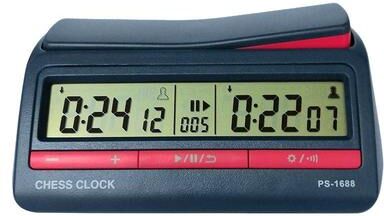
Multicon Wholesale Hub Professional Digital Chess Clock Timer With Count Up & Count Down For Tournament And Training Games Professional Digital Chess Clock Timer With Count Up & Count Down For Tournament And Training GamesExperience smoother, more competitive gameplay with this chess clock timer designed for players who value precision and focus. Whether you're preparing for tournaments, practicing strategy, or enjoying casual matches at home, this timer helps keep...103,97 $*Shipping: 0,00 $Secure redirect to the provider
-
Multisell Products Hub Easy To Play Chess Board Game Toy, Educational Strategy Table Games Easy To Play Chess Board Game Toy, Educational Strategy Table GamesEngage Your Mind with a Classic Chess Board Game The Chess Board Game Toy is a timeless strategy game that offers endless fun for both beginners and experienced players. Designed to be easy to play, this game is perfect for improving focus,...49,97 $*Shipping: 0,00 $Secure redirect to the provider
-
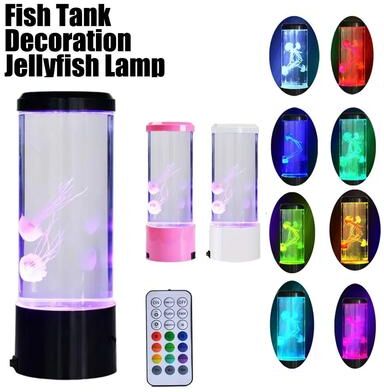
Uplift Essentials Floating Jellyfish Sensory Mood Lamp Floating Jellyfish Sensory Mood LampDive into a world of tranquility with the Floating Jellyfish Sensory Mood Lamp, a mesmerizing centerpiece designed to bring the calming depths of the ocean into your living space. This highdefinition aquarium uses advanced fluid dynamics to create a...72,97 $*Shipping: 0,00 $Secure redirect to the provider

-
Are receptors sensory cells?
Receptors are not sensory cells themselves, but they are specialized proteins located on the surface of sensory cells. These receptors are responsible for detecting and responding to specific stimuli, such as light, sound, taste, or smell. When a receptor is activated by a stimulus, it triggers a series of biochemical reactions within the sensory cell, ultimately leading to the generation of a sensory signal that can be transmitted to the brain for processing. Therefore, while receptors are not sensory cells, they play a crucial role in the sensory process by detecting and transducing stimuli into neural signals. **
-
What is sensory perception?
Sensory perception refers to the process of receiving and interpreting information from the environment through the senses. This includes the five main senses of sight, hearing, touch, taste, and smell, as well as other sensory experiences such as balance, proprioception, and temperature. The brain then processes this sensory information to create a perception of the world around us, allowing us to interact with and understand our surroundings. Sensory perception is essential for everyday functioning and plays a crucial role in how we experience and navigate the world. **
-
What are artificial sensory organs?
Artificial sensory organs are devices designed to mimic the functions of natural sensory organs, such as the eyes, ears, and skin. These devices use advanced technology to detect and process sensory information, allowing individuals to perceive and interact with their environment in a way that is similar to natural sensory organs. Artificial sensory organs have the potential to enhance or restore sensory capabilities for individuals with disabilities, as well as to provide new sensory experiences for people without impairments. These technologies have the potential to revolutionize healthcare and human-computer interaction. **
-
How does sensory development progress?
Sensory development progresses through a series of stages, beginning with basic sensory experiences such as touch, taste, and smell in infancy. As children grow, they develop more refined sensory abilities, such as improved vision and hearing, and begin to integrate sensory information to make sense of their environment. This process continues into adolescence and adulthood, with individuals becoming more adept at interpreting and responding to sensory stimuli. Overall, sensory development progresses from basic sensory experiences to more complex and integrated sensory abilities as individuals mature. **
Why is sensory transduction necessary?
Sensory transduction is necessary because it allows the body to convert various forms of environmental stimuli, such as light, sound, touch, and chemical signals, into electrical signals that can be interpreted by the nervous system. This process is essential for the body to perceive and respond to its surroundings, allowing for the detection of potential dangers, the regulation of bodily functions, and the experience of sensations such as taste, smell, and touch. Without sensory transduction, the body would not be able to effectively interact with its environment and respond to changes in its surroundings. **
What are sensory nerve cells?
Sensory nerve cells, also known as sensory neurons, are specialized cells that transmit information from the body's sensory organs (such as the skin, eyes, ears, nose, and tongue) to the central nervous system. These cells are responsible for detecting various stimuli, such as touch, temperature, pain, and pressure, and converting these stimuli into electrical signals that can be interpreted by the brain. Sensory nerve cells play a crucial role in allowing us to perceive and respond to our environment. **
Top-Angebote
Products related to Sensory:
-
Everyday Crate ElitePro Digital Chess Timer & Go Game Clock With 42 Tournament Timing Modes ElitePro Digital Chess Timer & Go Game Clock With 42 Tournament Timing ModesEvery move counts when the pressure is on. Designed for competitive players, clubs, coaches, and tournament organizers, this advanced digital chess clock delivers precise, reliable time control for intense matches. With 42 preset timing rules across...64,97 $*Shipping: 0,00 $Secure redirect to the provider
-
Inspired Living Classic Staunton Wooden Chess Pieces Set (32pcs) Tournament Chessmen Replacement Set bBring the timeless elegance of chess back to your table with wooden chess pieces that feel as good as they look. This complete 32piece set is designed for players who want a classic, balanced style thats easy to recognize and satisfying to play...23,97 $*Shipping: 0,00 $Secure redirect to the provider
-
Multicon Wholesale Hub Professional Digital Chess Clock Timer With Count Up & Count Down For Tournament And Training Games Professional Digital Chess Clock Timer With Count Up & Count Down For Tournament And Training GamesExperience smoother, more competitive gameplay with this chess clock timer designed for players who value precision and focus. Whether you're preparing for tournaments, practicing strategy, or enjoying casual matches at home, this timer helps keep...103,97 $*Shipping: 0,00 $Secure redirect to the provider
-
Multisell Products Hub Easy To Play Chess Board Game Toy, Educational Strategy Table Games Easy To Play Chess Board Game Toy, Educational Strategy Table GamesEngage Your Mind with a Classic Chess Board Game The Chess Board Game Toy is a timeless strategy game that offers endless fun for both beginners and experienced players. Designed to be easy to play, this game is perfect for improving focus,...49,97 $*Shipping: 0,00 $Secure redirect to the provider
-
What are sensory cells, sensory organs, and senses?
Sensory cells are specialized cells that detect and respond to specific stimuli, such as light, sound, touch, taste, and smell. These cells are found in sensory organs, which are structures in the body that contain sensory cells and are responsible for detecting and transmitting sensory information to the brain. The senses, on the other hand, are the physiological capacities of organisms that provide data for perception. They include sight, hearing, touch, taste, and smell, and are essential for experiencing and interacting with the environment. **
-
What is the difference between a primary sensory cell, a secondary sensory cell, and a sensory nerve cell?
Primary sensory cells are specialized cells that directly detect stimuli from the environment, such as light, sound, or touch. Secondary sensory cells receive signals from primary sensory cells and transmit them to the central nervous system. Sensory nerve cells, also known as sensory neurons, are responsible for transmitting the signals from secondary sensory cells to the brain, where they are processed and interpreted. In summary, primary sensory cells detect stimuli, secondary sensory cells relay the signals, and sensory nerve cells transmit the signals to the brain for processing. **
-
Are receptors sensory cells?
Receptors are not sensory cells themselves, but they are specialized proteins located on the surface of sensory cells. These receptors are responsible for detecting and responding to specific stimuli, such as light, sound, taste, or smell. When a receptor is activated by a stimulus, it triggers a series of biochemical reactions within the sensory cell, ultimately leading to the generation of a sensory signal that can be transmitted to the brain for processing. Therefore, while receptors are not sensory cells, they play a crucial role in the sensory process by detecting and transducing stimuli into neural signals. **
-
What is sensory perception?
Sensory perception refers to the process of receiving and interpreting information from the environment through the senses. This includes the five main senses of sight, hearing, touch, taste, and smell, as well as other sensory experiences such as balance, proprioception, and temperature. The brain then processes this sensory information to create a perception of the world around us, allowing us to interact with and understand our surroundings. Sensory perception is essential for everyday functioning and plays a crucial role in how we experience and navigate the world. **
Similar search terms for Sensory
-
Uplift Essentials Floating Jellyfish Sensory Mood Lamp Floating Jellyfish Sensory Mood LampDive into a world of tranquility with the Floating Jellyfish Sensory Mood Lamp, a mesmerizing centerpiece designed to bring the calming depths of the ocean into your living space. This highdefinition aquarium uses advanced fluid dynamics to create a...72,97 $*Shipping: 0,00 $Secure redirect to the provider
-
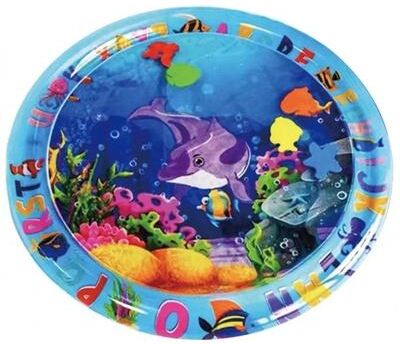
Inspired Finds Interactive Floating Fish Water Sensory Play Mat For Cats sensory MatTurn ordinary playtime into a captivating sensory adventure for your pet. This interactive cat mat features a waterfilled design with floating fish elements that move and shift as your cat paws, presses, and explores the surface. The engaging motion...34,99 $*Shipping: 0,00 $Secure redirect to the provider
-
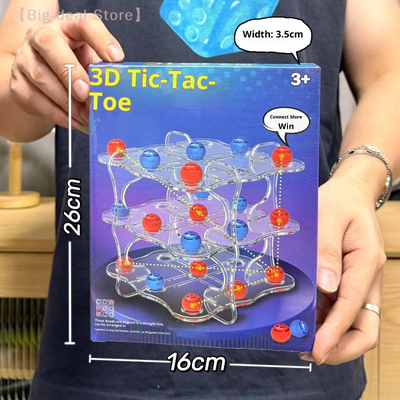
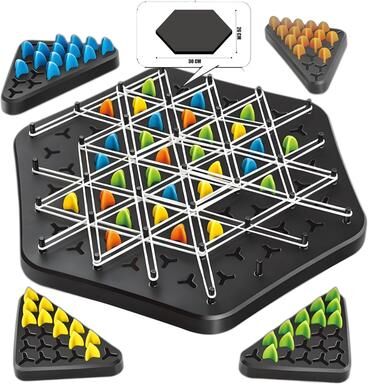
Uplift Picks Triangle Strategy Board Game Chain Chess Family Fun Logic Game 30x26 CmBring excitement to your game nights with this engaging strategy board game designed to challenge your thinking and spark fun competition. Perfect for both kids and adults, this family board game combines logic, planning, and interactive play. Its...57,98 $*Shipping: 0,00 $Secure redirect to the provider
-
What are artificial sensory organs?
Artificial sensory organs are devices designed to mimic the functions of natural sensory organs, such as the eyes, ears, and skin. These devices use advanced technology to detect and process sensory information, allowing individuals to perceive and interact with their environment in a way that is similar to natural sensory organs. Artificial sensory organs have the potential to enhance or restore sensory capabilities for individuals with disabilities, as well as to provide new sensory experiences for people without impairments. These technologies have the potential to revolutionize healthcare and human-computer interaction. **
-
How does sensory development progress?
Sensory development progresses through a series of stages, beginning with basic sensory experiences such as touch, taste, and smell in infancy. As children grow, they develop more refined sensory abilities, such as improved vision and hearing, and begin to integrate sensory information to make sense of their environment. This process continues into adolescence and adulthood, with individuals becoming more adept at interpreting and responding to sensory stimuli. Overall, sensory development progresses from basic sensory experiences to more complex and integrated sensory abilities as individuals mature. **
-
Why is sensory transduction necessary?
Sensory transduction is necessary because it allows the body to convert various forms of environmental stimuli, such as light, sound, touch, and chemical signals, into electrical signals that can be interpreted by the nervous system. This process is essential for the body to perceive and respond to its surroundings, allowing for the detection of potential dangers, the regulation of bodily functions, and the experience of sensations such as taste, smell, and touch. Without sensory transduction, the body would not be able to effectively interact with its environment and respond to changes in its surroundings. **
-
What are sensory nerve cells?
Sensory nerve cells, also known as sensory neurons, are specialized cells that transmit information from the body's sensory organs (such as the skin, eyes, ears, nose, and tongue) to the central nervous system. These cells are responsible for detecting various stimuli, such as touch, temperature, pain, and pressure, and converting these stimuli into electrical signals that can be interpreted by the brain. Sensory nerve cells play a crucial role in allowing us to perceive and respond to our environment. **
* All prices are inclusive of VAT and, if applicable, plus shipping costs. The offer information is based on the details provided by the respective shop and is updated through automated processes. Real-time updates do not occur, so deviations can occur in individual cases. ** Note: Parts of this content were created by AI.