Buy schachclub.eu ?
We are moving the project
schachclub.eu .
Are you interested in purchasing the domain
schachclub.eu ?
domain@kv-gmbh.de · 0541-91531010
Buy schachclub.eu ?
How often is a coin tossed?
A coin is typically tossed in situations where a random outcome is needed, such as in games or decision-making processes. The frequency of coin tosses depends on the context in which it is being used. In a simple game like flipping a coin to determine heads or tails, it is tossed once. However, in more complex scenarios where multiple rounds of decision-making are involved, a coin may be tossed multiple times. **
How often was a coin tossed?
The coin was tossed once. **
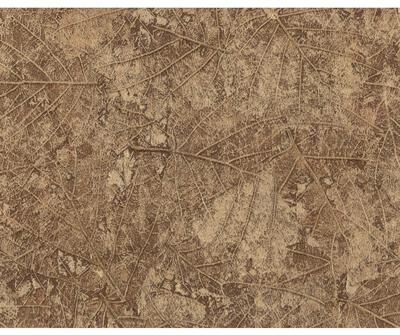

Similar search terms for 750-Home-Tossed-Leaves
Top-Angebote
Products related to 750-Home-Tossed-Leaves:
-
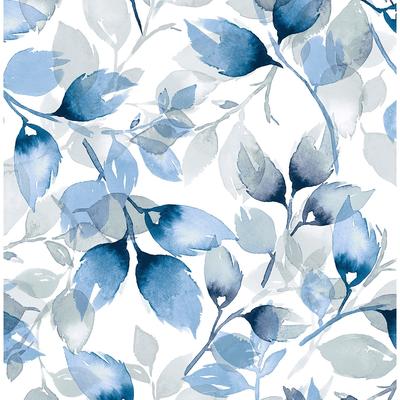
Lillian August Luxe Haven Watercolor Tossed Leaves Peel and Stick WallpaperDrawing inspiration from nature, this Watercolor Tossed Leaves peel and stick wallpaper from the Luxe Haven collection by Lillian August has a calming color story that was specifically crafted to put your mind at ease.49,99 $*Shipping: 0,00 $Secure redirect to the provider



-
How many times was a coin tossed?
A coin was tossed a total of 10 times. **
-
Can laurel leaves be dried at home, and if so, how?
Yes, laurel leaves can be dried at home. To do so, simply wash the leaves thoroughly and pat them dry with a towel. Then, spread the leaves out in a single layer on a clean, dry surface, such as a baking sheet or a wire rack. Place the leaves in a warm, well-ventilated area away from direct sunlight and allow them to air dry for about 1-2 weeks, or until they are completely dry and brittle. Store the dried laurel leaves in an airtight container in a cool, dark place for future use. **
-
'Against the grandmaster in chess?'
Playing against a grandmaster in chess can be an incredibly challenging and intimidating experience. Grandmasters are among the best players in the world, with a deep understanding of the game and exceptional strategic skills. It is important to approach the game with humility and a willingness to learn, as playing against a grandmaster can provide valuable insights and opportunities for improvement. While the odds of winning may be slim, the experience of facing off against a grandmaster can be a valuable learning opportunity and a memorable experience for any chess enthusiast. **
-
What happens when a coin is tossed with ex3 and ex3?
When a coin is tossed with ex3 and ex3, there are four possible outcomes: heads-heads, heads-tails, tails-heads, and tails-tails. Each outcome has an equal probability of occurring, as the result of one coin toss does not affect the result of the other. Therefore, the likelihood of getting heads or tails on each coin toss remains at 50%. **


What is the probability of a coin being tossed 3 times?
The probability of a coin being tossed 3 times can be calculated using the formula for independent events. Since the outcome of each toss is independent of the others, the probability of getting a specific outcome (e.g. heads) on each toss is 1/2. Therefore, the probability of getting a specific outcome on all 3 tosses is (1/2) * (1/2) * (1/2) = 1/8. This means there is a 1/8 chance of getting the same outcome (e.g. heads) on all 3 tosses. **
Can I become a chess grandmaster?
Becoming a chess grandmaster is a highly challenging and competitive endeavor that requires exceptional skill, dedication, and strategic thinking. While it is theoretically possible for anyone to become a grandmaster with enough practice and commitment, the reality is that only a very small percentage of chess players ever achieve this prestigious title. To become a grandmaster, one must typically start playing chess at a young age, receive expert coaching, participate in numerous tournaments, and consistently perform at a high level against top competition. It is important to set realistic goals and enjoy the journey of improving your chess skills, regardless of whether or not you ultimately reach the grandmaster level. **
Top-Angebote
Products related to 750-Home-Tossed-Leaves:
-
How often is a coin tossed?
A coin is typically tossed in situations where a random outcome is needed, such as in games or decision-making processes. The frequency of coin tosses depends on the context in which it is being used. In a simple game like flipping a coin to determine heads or tails, it is tossed once. However, in more complex scenarios where multiple rounds of decision-making are involved, a coin may be tossed multiple times. **
-
How often was a coin tossed?
The coin was tossed once. **
-
How many times was a coin tossed?
A coin was tossed a total of 10 times. **
-
Can laurel leaves be dried at home, and if so, how?
Yes, laurel leaves can be dried at home. To do so, simply wash the leaves thoroughly and pat them dry with a towel. Then, spread the leaves out in a single layer on a clean, dry surface, such as a baking sheet or a wire rack. Place the leaves in a warm, well-ventilated area away from direct sunlight and allow them to air dry for about 1-2 weeks, or until they are completely dry and brittle. Store the dried laurel leaves in an airtight container in a cool, dark place for future use. **
Similar search terms for 750-Home-Tossed-Leaves
-
Lillian August Luxe Haven Watercolor Tossed Leaves Peel and Stick WallpaperDrawing inspiration from nature, this Watercolor Tossed Leaves peel and stick wallpaper from the Luxe Haven collection by Lillian August has a calming color story that was specifically crafted to put your mind at ease.49,99 $*Shipping: 0,00 $Secure redirect to the provider
-
'Against the grandmaster in chess?'
Playing against a grandmaster in chess can be an incredibly challenging and intimidating experience. Grandmasters are among the best players in the world, with a deep understanding of the game and exceptional strategic skills. It is important to approach the game with humility and a willingness to learn, as playing against a grandmaster can provide valuable insights and opportunities for improvement. While the odds of winning may be slim, the experience of facing off against a grandmaster can be a valuable learning opportunity and a memorable experience for any chess enthusiast. **
-
What happens when a coin is tossed with ex3 and ex3?
When a coin is tossed with ex3 and ex3, there are four possible outcomes: heads-heads, heads-tails, tails-heads, and tails-tails. Each outcome has an equal probability of occurring, as the result of one coin toss does not affect the result of the other. Therefore, the likelihood of getting heads or tails on each coin toss remains at 50%. **
-
What is the probability of a coin being tossed 3 times?
The probability of a coin being tossed 3 times can be calculated using the formula for independent events. Since the outcome of each toss is independent of the others, the probability of getting a specific outcome (e.g. heads) on each toss is 1/2. Therefore, the probability of getting a specific outcome on all 3 tosses is (1/2) * (1/2) * (1/2) = 1/8. This means there is a 1/8 chance of getting the same outcome (e.g. heads) on all 3 tosses. **
-
Can I become a chess grandmaster?
Becoming a chess grandmaster is a highly challenging and competitive endeavor that requires exceptional skill, dedication, and strategic thinking. While it is theoretically possible for anyone to become a grandmaster with enough practice and commitment, the reality is that only a very small percentage of chess players ever achieve this prestigious title. To become a grandmaster, one must typically start playing chess at a young age, receive expert coaching, participate in numerous tournaments, and consistently perform at a high level against top competition. It is important to set realistic goals and enjoy the journey of improving your chess skills, regardless of whether or not you ultimately reach the grandmaster level. **
* All prices are inclusive of VAT and, if applicable, plus shipping costs. The offer information is based on the details provided by the respective shop and is updated through automated processes. Real-time updates do not occur, so deviations can occur in individual cases. ** Note: Parts of this content were created by AI.